
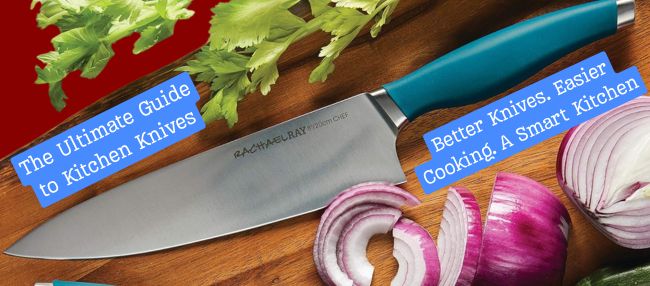
Kitchen knives are essential to food prep. A good knife helps chop whole foods into pieces ready to cook. A sharp, well-balanced knife will make prep faster, safer, and easier. A poor knife can make simple work hard.
Knowing the basic parts of any knife can help you choose well. Steel counts. So does blade shape. Handle design and care. This guide includes the best chef knives, Japanese knives, filet knives, meat cleavers, bread knives, knife sets, sharpeners, and knife storage.
Knife Construction and Anatomy
Knowing the main parts makes shopping for knives easier.
Handle: The handle gives grip and control. A full-tang knife runs the length of the handle. This can give the knife a good balance and strength. Handles may be made of wood, plastic, rubber, or other materials. Pakkawood is a favorite. It will resist warping and water.
Blade: The main parts of the blade are the tip, for small, fine cuts. The spine is the thick upper part of the knife blade. The edge is where the cutting happens. The heel is the part by the handle.
Stamped vs. Forged Knives.
Knives are made of steel that has been heated and shaped. They tend to be heavier and may be full tangs. Stamped knives are manufactured by stamping a sheet of metal. They tend to be cheaper and lighter. Either will work fine. The best one depends on a chef’s needs and your budget.
Steel Types: The steel dictates how sharp the edge gets and how easy it is to maintain. High carbon steel holds a sharp edge. It requires more care to help prevent rusting. Stainless steel resists rust and staining. It is also easy to maintain. VG-10 is a popular Japanese stainless steel. It has good edge life and sharpness. German X50CrMoV15 steel has good strength and useful edge life.
Chef’s Knives
One of the most useful knives in a kitchen is a chef’s knife. It can chop, slice, dice, mince, and more. If you like this knife style, then check out our chef knives guide for more focused.
Best Kitchen Knife Under $100
You don’t have to spend a fortune to get a good chef’s knife. Knives under $100 offer a practical balance of sharpness. Construction, comfort, and durability. When $100, pay attention to the steel. Blade thickness, edge geometry, handle construction, and maintenance requirements. For a detailed comparison, see Best Chef Knife Under $100. For this price point, a knife can be a great choice for home cooks.
You can buy a decent chef’s knife for under $100. Several knives offer good value in this price range. Victorinox Fibrox Pro 8-inch budget knife. It is lightweight and easy to use. The rubberized handle offers a good grip even when your hands are wet. This is a good budget option.
- The Tojiro DP F-808 is a Japanese-designed knife. It has a hard VG-10 core that holds an edge well. Stainless steel also requires less maintenance than the carbon steel body.
- Mercer Culinary Millennia is an accessible choice for novice chefs. It features a comfortable handle and German steel.
- Wüsthof Classic Ikon sometimes goes on sale for around $100—German build quality at a lower retail price.
- The J.A. Henckels Classic 8-inch is one piece of steel. It feels nicely weighted and balanced for everyday kitchen work. A good chef’s knife will be more useful to many home cooks than a big knife set.
Best Chef Knife Under $50
A smaller budget doesn’t mean you can’t find a good chef’s knife. Knives under $50 are often fine for basic home cooking. Especially if you keep the blade properly maintained. Edge retention, hand comfort, balance, and sharpening needs can vary wildly between products. For a more specific buying guide, see Best Chef Knife Under $50. You can still find good chef’s knives for under $50.
Best Value Pick: Victorinox Fibrox Chef Knife. It has a slip-resistant TPE handle and weighs around 181 grams. It is light, easy to handle, and easy to maintain.
- OXO Good Grips 8-inch Professional Chef Knife. It’s German stainless steel. It can cut vegetables, meat, and handle other daily tasks.
- Another solid low-cost option is the Mercer Culinary Millennia. It is known for being lightweight and having a useful grip.
- Mercer Culinary Genesis Santoku is a Japanese-style blade, and it’s a cheap one. It is good for cutting and slicing.
- The Global 3.5-inch paring knife is a lot smaller than a chef knife. Works great for small, detailed work.
Japanese Knives
Japanese kitchen knives are known for their sharp edges and fine blade work. Many for a particular food or cutting style. Some Japanese designs have thinner blades. And a more specialized geometry than a typical Western chef knife. If you like this knife style, then check out our Japanese Knives guide for more focused information.
Yanagiba Knives for Sushi and Sashimi
A yanagiba is a long knife for slicing raw fish. Use it to make sushi and sashimi. The long blade lets you make a nice, smooth pull cut. You get clean cuts without crushing the fish. If you like this knife style, then check out. Best Yanagiba Knives: Sushi & Sashimi Knife for a more focused guide.
Important Rules for Yanagiba Knives
- Use it mostly for slicing raw fish.
- Don’t use it to cut bone.
- Avoid using it as an all-purpose kitchen knife.
Best First Yanagiba – Tojiro Shirogami 270mm
This is a good first choice for home cooks looking for a sashimi knife – white carbon steel No. 2, with a nice sharp edge. You can often find it for between $70 and $110.
Best Lifetime Pick — Kasumitogi 270-300mm by Sakai Takayuki
This is a more expensive option for serious Japanese cooking. It’s made in Sakai and has a nice kasumi finish. The price is often in the $150 to $260 range.
Value Low-Maintenance Stainless Yanagiba 270mm
This is easier to maintain if it’s made of Ginsan or VG-10 steel. Good option for people who make sashimi from time to time.
Pro-Traditional — Yoshihiro or Masamoto 270- 300 mm
They offer high-quality Japanese craftsmanship. Prices range from around $300 to $700 and up.
Left-Handed Preference
Yanagiba knives for left-handed users need a special left-hand build. They may take longer to arrive; the knife may be more expensive.
Nakiri Knife
A nakiri is a Japanese knife primarily used for vegetables. The rim is flat. This makes it useful for straight push cuts. Its wide blade makes it quick to move cut food off the board. If you like this knife style, then check out. Best Budget Nakiri Knife for a more focused guide.
Best Value – Tojiro DP Nakiri 165mm
This is an excellent choice for home cooks. Uses VG-10 steel and has a 2.0mm spine. It is easy for many beginners.
Best Buy-Once – MAC Japanese Series Nakiri Knife
This is a good quality knife. It features a double bevel edge. It demands less maintenance than many carbon steel knives.
Best Budget Option – Mercer Culinary Genesis Nakiri, Size 7 Inch
Made of high-carbon German steel, this knife is an inexpensive alternative.
Upgrade Choices
For a higher-end Japanese knife, consider the Shun Premier 5.5-inch Nakiri. The Miyabi Evolution 6.5-inch Nakiri is a more expensive option. Designed for cutting meat or fish bones. It’s also not the best choice for rocking cuts. If you want a knife that can do many jobs, a santoku or gyuto is better.
Fillet Knives
Fillet knives have long, flexible blades. They look like fish. They remove meat from the bones. If you like this knife style, then check out our Fillet knives guide for more focused information. When choosing a fillet knife, consider several factors.
- Flexibility-But not every task requires flexibility. For bigger fish, a stiffer blade can give you more control.
- Length of Blade-Shorter blades for smaller fish; longer blades for bigger fish. So need to consider the size of the fish before you buy a fillet knife.
- Resistance to Corrosion-Fillet knives in water and moisture. Steel and corrosion-resistant materials can be particularly helpful. Highly corrosion-resistant steel should be avoided.
Best Fillet Knife for Catfish
Catfish may need a long, flexible knife to follow the fish well. A good fillet knife helps you cut the meat off the bones and control the blade easily. See Best Fillet Knife for Catfish for a more targeted comparison. When choosing blade length, think about the size of the catfish. A knife that is long enough for small fish may not be long enough for larger fish. Catfish have thick skin; you may need a knife you can control. Blade length, flex, and handle grip are all important. Here are some names of fillet knives for catfish-
- The Bubba 7-inch Tapered Flex has a good grip and a helpful flex. Works great on crappie, catfish, and other fish.
- The HOSHANHO 7-Inch Filet Knife is crafted from high-carbon stainless steel. Made for clean, controlled cuts.
- Cutluxe 7-Inch Filet Knife With Pakkawood Handle And Sharp Blade. The handle is moisture-proof.
- WORKPRO 12V Cordless Electric Filet Knife is a handy cordless electric option for anglers.
Best Electric Filet Knife For Crappie
If you’re cleaning fish, an electric fillet knife can time saver. Electric fillet knives are handy for handling many types of fish. Motorized blade movement can help reduce some of the repetitive effort of manual filleting. A good electric fillet knife can be fast and convenient for crappie and other smaller fish. For more information, see Best Electric Filet Knife For Crappie. Corded and cordless versions each have different benefits. Greater with battery-powered options. Corded models can run continuously where an appropriate power source is available. Here are some names of electric fillet knives-
- Berkley 120-Volt Electric Filet Knife is good for smaller fish. It is a handy selection for crappie and similar fish.
- The Bubba Electric Filet Knife is battery-powered. That’s a lot of fish for one charge.
- Crappie Slab-O-Matic Electric Filet Knife for crappie. The extra battery lets you clean for longer.
- The WORKPRO 12V Cordless Electric Filet Knife provides anglers with both power and portability. A built-in light can help when cleaning fish at night.
- The Rapala Electric Filet Knife has narrow blades for clean, steady cuts.
Best Filet Knife For Salmon
Salmon may need a longer blade with enough flex to remove the skin and meat cleanly. Salmon can use a longer blade, depending on the size and thickness. A flexible but stiff blade is handy for making clean fillets. The handle also provides a secure grip, as handling wet fish and water can be slippery. For a comprehensive buying guide, see Best Filet Knife For Salmon.
- The KastKing Speed Demon Pro Filet Knife is German steel and built for fish work.
- The TC Series Filet Knife has performed well in tests. It can help with skin removal.
- Shun Classic 6-inch Boning or Fillet Knife features premium Japanese build quality and VG-MAX Damascus steel.
- The Dalstrong Gladiator Series 7-inch Filet Knife has a flexible blade for salmon.
- The Rapala Fish’n Filet Knife is good and holds an edge well.
- The Calamus Fishing Filet Knife has a 9-inch German G4116 stainless-steel blade. It can work well on larger fish.
Specialty Knives
Specialty knives are for special jobs. They make certain tasks easier than a chef’s knife. Not every kitchen chore calls for a standard chef’s knife. “Specialty knives are for certain foods and certain ways of preparing foods. Some are for heavy cutting, and others are for soft foods, crusty bread, cakes, or delicate slicing. Specialty knives are useful for certain kitchen tasks regularly.
Meat Cleaver
Meat cleaver: a cleaver with a wide, heavy blade. Built for heavy meat work. A meat cleaver is a broad, heavy blade designed for demanding cutting tasks. For heavy meat preparation, a cleaver can provide the mass and strength needed for controlled cutting. But not every cleaver should be used to cut through large bones. Always consider how it is to use and follow the manufacturer’s advice. For more info, see Best Meat Cleaver for Cutting Bone. A stable cutting surface and appropriate technique are especially important. When using a heavy cleaver.
- Global G-12 Meat Cleaver is tough, with a strong blade for heavy cutting.
- Dalstrong 9-inch Obliterator Meat Cleaver for tough meat work and bone cutting.
- Home cooks will find the Fuji Cutlery Chinese-Style Cleaver a handy pick.
- Heavy-duty blade for heavy-duty chopping. Purple Dragon Meat Cleaver Knife.
- The Mueller 7-Inch Meat Cleaver Butcher Knife feels lighter, but is still strong.
When using a cleaver on large bones, always refer to the manufacturer’s instructions.
Bread Knife for Sourdough
Bread knives have serrated edges. The teeth will cut through a hard crust without pressing too hard on the soft bread inside. Bread knives are generally serrated. The teeth let you saw through crusty surfaces. Without going down, as you would with a straight-edged knife. Sourdough bread is often particularly crusty on the outside and soft inside. A good serrated bread knife keeps the loaf intact and prevents crushing. For a detailed guide, check out Best Bread Knife for Sourdough. A bread knife with a long enough blade is handy when slicing large loaves.
- Mercer Culinary M23210 10-Inch Bread Knife delivers clean cuts at a low price.
- The Japanese Bread Knife glides through hard sourdough crusts with ease.
- Kuhn Rikon Colori Serrated Bread Knife – Great for bread and baguettes.
- Good bread-cutting and French design are the characteristics of the Opinel Parallèle Bread Knife N° 116.
Knives for Cutting Sweet Potatoes
Sweet potatoes are dense and hard. A sharp knife with a strong blade helps make the job easier. Sweet potatoes can be dense and hard, especially when they’re big. The height, strength, and sharpness help. For many sweet potato jobs, a chef’s knife is often a good choice. But still consider blade geometry and handle control. Cut the sweet potato on a stable cutting board, with the potato held firmly in place. See also Best Knife for Cutting Sweet Potatoes for more information.
- The Shun All-Purpose Classic Chef Knife is a solid all-around option.
- 7 Inch Nakiri Knife by HOSHANHO is a good buy; the blade is sharp.
- The Mac Knife Hollow Edge 8 Inch Professional Chef Knife has a hollow edge to reduce sticking.
- KEEMAKE Kiritsuke Chef Knife has a 67-layer Damascus blade.
- Another good all-purpose choice is the Cutluxe Santoku Knife.
- Or you can use a nakiri or santoku on sweet potatoes. Use serrated knives for this.
Knives for Chopping Onions
A sharp knife cuts onions more easily. A thin edge makes clean cuts without crushing the onion. Onions are the most commonly produced vegetables in many kitchens. A good, sharp chef’s knife or vegetable knife makes clean cuts and quick chopping. The sharper, the better, because if you press too hard, the onion will not cut cleanly. The blade should be long enough to wrap the onion in a comfortable cutting motion. When preparing large quantities of onions, handling comfort may also become important. See Best Knife For Chopping Onions for a focused guide.
- Mercer Culinary Genesis 7-Inch Nakiri Vegetable Knife has a flat edge for complete contact with the board.
- The Shun Classic 7-Inch Hollow Ground Santoku is sharp and releases food easily.
- Mac Knife Superior Santoku is light and handy for everyday cutting.
- The Victorinox Swiss Santoku is lightweight and easy to use.
- Global 7-Inch Vegetable Knife: A great premium knife with a Granton blade.
- The ZWILLING PROFESSIONAL S 8-Inch Chef Knife is a reliable German-style workhorse.
Knives for Trimming Brisket
Trimming brisket takes a lot of control. A semi-flexible blade helps follow fat and meat. When you’re preparing brisket, you may have to trim a lot of fat off a large piece of meat. The blade length should be long enough to do the job efficiently while still giving you good control. Flexibility is also helpful if the blade has to follow the surface of the meat. See Best Knife for Trimming Brisket for a detailed guide. While trimming, keep the knife sharp because a dull edge can reduce control. See Best Knife for Trimming Brisket for a side-by-side comparison.
- Victorinox Fibrox Pro Curved Boning Knife has a good flex and a sharp edge.
- Victorinox Fibrox 12-Inch Slicing Knife: A long blade and Granton edge for slicing cooked meats.
- Mercer Culinary M18120 Chef Knife: For trimming, but not overly soft.
- Cutluxe Boning Knife for boning and trimming.
- FINTISO Carving Brisket Knife 11.6 Inch Long Damascus Blade: Good Control
- Cutluxe Artisan 14-Inch is a high-end option for big briskets.
Knives for Cutting Cake
Cake needs a long knife. The serrated edge helps to cut soft layers without crushing them. Cake cutting is another matter, different from vegetable chopping or meat trimming. A long, smooth, or serrated cake knife can help produce clean slices. Soft cake layers and frosting. The right knife can make presentation easier. For weddings, birthdays, celebrations, and everyday baking. See Best Knife to Cut Cake for more information. If the blade is long enough for the cake, you need to repeat the cutting motion. See Best Knife to Cut Cake for a side-by-side comparison.
- For clean cake slices, the Mercer Culinary M23114 Millennia 18-Inch Wavy Edge Cake Slicer is a great choice.
- The Fat Daddio’s CK-14 Bread and Cake Knife is ideal for bread and cake.
- KUTLER 14-Inch Bread and Cake Slicer Knife comes with a long serrated blade.
- Meizhouer Stainless Steel Cake and Bread Knife is useful for detailed cake cutting.
- Hudson Essentials Hammered Cake Knife and Server Set, Set for Cutting and Serving.
Knife Sets
Knife sets contain useful tools in one package. A set can include chef knives, paring knives, utility knives, bread knives, steak knives, shears, and sharpening tools. A set can make it easier to start a kitchen from scratch. But more knives don’t always mean better value. The number of knives is not the only factor to consider. If you like this knife style, then check out our Knife Set guide for more focused information.
What Should You Get in a Knife Set?
A useful set of knives might include:
- Chef’s knife
- Paring knife
- Utility knife
- Bread knife.
- Knives for steak
- Shears for the kitchen
- Tool sharpening
- Storage block
The exact contents differ from set to set. A collection of ten or more pieces isn’t necessarily better than a smaller collection. Some larger sets may have knives. The choice should actual cooking habits.
Best Knife Sets with Steak Knives
Steak knives are an addition to a knife set, especially for homes that regularly eat meat. Think about the quality of the kitchen knives and the steak knives. Long-term value depends on handle comfort. Consider blade material, edge design, storage, and maintenance requirements. See Best Knife Sets With Steak Knives for a side-by-side comparison.
- McCook 15-Piece Block Sharpener includes six steak knives. And a built-in sharpener and German stainless steel.
- Wüsthof 7-Piece Steak Knife Block Set: This premium set of steak knives from durable stainless steel.
- The Ninja NeverDull 17-Piece is a larger, more premium set. It comes with a built-in sharpener and 8 steak knives.
- Henckels Premium 12-Piece Statement Set Includes Steak Knives – German-Engineered Quality
- Farberware Triple-Riveted Steak Knife Set is a good budget option.
- The Victorinox Swiss Classic 6-Piece Steak Knife Set is a dependable choice for everyday use.
Knife Care and Storage
A well-cared-for knife will last for years. Proper knife care includes washing, drying, honing, sharpening, and storing knives. With proper care, good knives will last for many years. Knife care includes cleaning, drying, honing, sharpening, storage, and proper use. But bad maintenance practices can also ruin the cutting performance of an expensive knife. If you like knife sharpeners and knife blocks, check out our sharpener and knife blocks guide for more focused information.
Hand Washing
Many quality knives need hand washing.
- All you need is warm water and gentle dish soap. Thoroughly dry and clean the blade.
- A dishwasher exposes knives to heat, strong soap, water, and contact with other items. These conditions can damage the blade or handle.
For this reason, handwashing is generally. Proper care helps kitchen knives last longer.
Honing
Honing is not the same as sharpening. A honing tool usually realigns a knife edge that has become slightly misaligned through normal use. Sharpening, however, removes a small amount of material to produce a new edge. Regularly honing a knife between sharpening sessions.
Ceramic Honing Steel
Ceramic honing steels keep knife edges sharp. Besides edge realignment, ceramic surfaces can offer a fine abrasive effect. See Best Ceramic Honing Steel for more information. During honing, use the correct angle. Don’t use too much pressure; unnecessary pressure can damage a fine edge. Ceramic honing rods are great for keeping knife edges in shape.
- The Work Sharp Kitchen Ceramic Honing Rod is a good all-around option.
- Kimura Professional Ceramic Honing Rod, 10-inch rod, fine 1200-grit finish.
- Messermeister Ceramic Rod, 12″ rod for honing and light sharpening.
- The Sharpeak Ceramic Sharpening Steel has a 3000-grit surface and built-in angle guides.
- When honing, use light pressure. Too much pressure can ruin a fine edge.
Knife Sharpening
Eventually, all kitchen knives need sharpening. Even good steel loses some of its sharpness with repeated use. How often you need to sharpen your knife depends on the knife steel, cutting board, how much you use it, and your maintenance habits. There are many ways to sharpen.
Whetstones for Knife Sharpening
The fundamental way to sharpen a knife is with whetstones. Various grit levels are available. For a serious edge repair, use coarser grits. To refine and polish an existing edge, you can use finer grits. See Best Whetstones for Knife Sharpening for a detailed comparison. Whetstone sharpening takes practice. But once you learn the technique, you can get good control. Whetstones give good control over your sharpening. Different jobs need different grits. Damaged edges can use coarse grits. Fine grits will smooth and polish an edge.
- King KDS is a good choice for the beginner.
- Shapton Ha No Kuromaku 1000/5000 Ceramic Whetstone Set is a good option for more controlled sharpening.
- Shapton Glass 1000 is a stone and fast.
- Naniwa Professional (Chosera) 1000 is a useful single-grit stone.
- The Suehiro Cerax 1000 is good value.
- Work Sharp Benchtop Whetstone is suitable for home cooks and beginners.
- Chefic Premium Whetstone 400/1000 and 3000/8000 Grit Waterstone Kit has many tools for beginners.
- Whetstone sharpening is an art. Eventually, you can get good control over the edge.
Fillet Knife Sharpeners
Fillet knives often have thin, flexible blades and may require special care. The sharpener must match the edge geometry and material. See Best Filet Knife Sharpeners for a focused guide. Too much material can shorten the useful life of a thin fillet knife blade. “Fillet knives have thin, flexible blades. Blades need a sharpener.
- Guided sharpening at an adjustable angle of attack.
- The Sharp Pebble 5 Precision Adjust comes with five angle settings.
- Smith’s CCKS 2-Step Sharpener offers two in a compact stages of sharpening.
- Chef’sChoice 15XV EdgeSelect Electric Sharpener, 15 Degree Edge Setting
- AccuSharp Knife and Tool Sharpener is quick and portable. It works on both straight and serrated edges.
- On Presto 08810 Professional Electric Sharpener. Three-Stage System.
- The Horl 3 knife sharpener has 15-degree and 20-degree settings for different
Hunting Knife Sharpening
Hunting knives in severe outdoor conditions. A good sharpening system can thus be useful for sharpening away from the kitchen. Bench stones can give you more control at home. Sharpeners are good for outdoor use. See Best Hunting Knife Sharpener for more information. Consider the sharpening system, blade steel, edge angle, portability needs, and the user’s experience level. A hunting knife sharpener should be portable and easy to use.
- The Work Sharp Guided Field Sharpener is a great all-around field option.
- The SHARPAL 101N 6-in-1 Pocket Knife Sharpener is a compact multi-tool unit.
- Good control of sharpening angle with the Lansky Controlled Angle Sharpening System.
- The Worksharp Ken Onion Elite Mk 2 is a premium powered choice.
- Spyderco Tri-Angle Sharp Maker Compact sharpening system.
- The Spyderco Pocket Stone is small and portable.
- Another handheld choice is Dull Boy Blades Whole Enchilada.
Knife Storage
Knife care includes storage of knives. Loose knives in a drawer can bang against other tools. This can mess up the edge. It also presents a safety hazard. There are some good ways to store knives.
Magnetic Knife Holders
A magnetic knife block keeps your knives close by. It also keeps the blades away from other tools. A good magnetic system keeps knives where they belong. Knives can still easily be removed. See Best Magnetic Knife Block for more help. Think about the spot on the wall before you attach a magnetic block. Choose a safe location for the knives. The block does not interfere with work in the kitchen.
Knife Blocks
Each knife has a slot in a knife block. This is a good option if you have a full set of knives in one place. Keep slots clean and dry. Do jam a knife into a too-tight slot. Too much contact can damage the edge.
Kitchen Knife Safety Tips
Safe knife handling is essential in the kitchen. Hold the cutting board still. Keep your fingers off the edge. Cut slowly and firmly. Cut slowly and firmly. Carry a knife safely. Keep kitchen knives out of reach of children. Watch them if they have to be near a knife, and use proper care. Safe storage is also important. A knife block, magnetic block, or other knife holder can reduce contact.
How to Choose the Right Kitchen Knife
Select the kitchen knife you need for the job. Ask these simple questions before you buy.
- What food will you cook most?
- For vegetables, meat, fish, bread, and cake, you may need a different blade.
- How many times will you use the knife?
- Your everyday knife should feel good in your hand. It should also be durable and easy to maintain.
- How long does a blade feel right?
- Stainless steel is low maintenance. High carbon steel will take and hold a great edge but requires more care.
- What handle feels good?
- Check the grip, shape, weight, and feel.
- “Then how will you sharpen it?”
- Before you buy a fancy knife, ask yourself how you’ll keep the edge sharp. If you’re after a simple sharpener, a knife that requires special care might not be for you.
Essential Kitchen Knives for a Home Kitchen
You don’t need many knives. A few good knives will do.
- Chef’s knife
- A chef’s knife can be the primary knife for much kitchen work.
- Paring Knife
- A paring knife is great for small fruits and vegetables. It also helps to peel, trim, and make small cuts.
- Bread knife
- A serrated bread knife is good for bread, cake, and food with a hard top and soft inside.
- Filleting knives
- A fillet knife can be useful if you cook fish often.
- Specialty Knife
- It gives you a special knife when your cooking demands it. You can build your knife set over time. You don’t have to buy it.
Kitchen Knife Blade Shapes
The blade shape tells you what a knife is best for. A wide blade chops well, and it has a steady feel. It can also help move food off the board. Thin blades offer more control for slicing or fillet work. A sharp point can be useful for small cuts. A rocking motion works well with a rounded blade. A serrated blade is good for food with a hard outside and a soft inside. Learning the blade shape can help you choose the knife.
Knife Balance
Balance is how weight is distributed. Some knives are heavier in the blade. Others have a more uniform weight from blade to handle. A good balance makes a knife feel better on long cutting jobs. The best balance can vary from person to person. Use a knife when you can and select what feels comfortable.
Knife Weight
Knife weight can affect the knife. A heavy knife can add force when chopping. A light knife can be quick and easy in hand. For fine cutting, a light, thin knife may feel best. If the job is tough, you might have to put on a few pounds. Let the job dictate your choice.
Knife Edge Angle
The edge determines how well a knife cuts and how long the edge lasts. A thin edge cuts well. It is also more easily damaged. A thicker edge can last longer but might not feel as smooth for fine cuts. Many Japanese knives have unique edge shapes. Western knives tend to have more aggressive edge shapes. If possible, use the recommended board.
Cutting Board Selection
A board under a knife can affect its edge. Good wood and plastic boards often treat knife edges well. Hard boards such as glass, marble, stone, and ceramic will quickly wear an edge. Pair a good cutting board with a good knife.
Common Kitchen Knife Mistakes
Some common mistakes can shorten a knife.
- Using the Wrong Knife
- Do not use a thin fillet knife for heavy chopping. This may damage the rim. Also, do not use a chef knife for food that needs a serrated blade. The cut might not be as good.
- Hard Surface Cutting
- Hard boards can dull knife edges.
- Knives Left in Water
- Don’t allow a knife to stay wet for long. This is even more important for carbon steel.
- Storing Knives in a Drawer Loose
- Loose knives can bang into other tools. This can damage the blade and increase the risk of cuts.
- Excessive Use of Force.
- A sharp knife should cut with steady pressure. Too much force can make it harder to control. It can also increase the chances of slips.
- Sharpening Ignored
- A dull knife is difficult to work with. Maintain the sharpness as part of routine knife care.
How Long Should a Kitchen Knife Last?
With good care, a knife can last for many years. All these factors – steel, use, cutting board, sharpening, washing, storage, and build – play a part. A good knife, if well cared for, will serve you for years. The edge will need attention from time to time. That doesn’t mean you have to replace the whole knife. Good sharpening and safe use will keep a knife.
Are Expensive Kitchen Knives Worth It?
A high price doesn’t necessarily mean a better knife. A more expensive knife might have better steel. It may also have a better shape, construction, or handling. For the home cook, a mid-price knife can make a great choice. Buy for your needs, not price. For many cooks, a good chef knife for under $100 can provide enough skill and ease for daily work.
Frequently Asked Questions
What’s the most useful knife in the kitchen?
The chef knife is one of the most useful kitchen knives. It can do a lot of the typical food prep.
What size chef’s knife is best?
An 8-inch chef knife is a typical all-purpose size. It has a good balance of reach and control.
So are Japanese knives better than Western knives?
Neither is ideal for every cook. Japanese knives make fine cuts. Western knives are good all-round and strong.
Do I need a fillet knife?
A fillet knife is handy if you clean and cook whole fish. You may not need one if you rarely cook fish.
Are expensive knives worth the cost?
An expensive knife may have better steel, shape, balance, or construction. A mid-price knife will also do well if it fits your needs.
How often should you sharpen a kitchen knife?
Depends on use, steel, cutting board, and care. Hone the knife when regular honing no longer restores a good edge.
Can you put kitchen knives in the dishwasher?
Kitchen knives: wash by hand with soap and water, and avoid contact with other tools.
A whetstone or a knife sharpener? Which one is better?
A whetstone is more forgiving and, with a little practice, can give great results. If you want something easy, a knife sharpener is more convenient.
What is the best cutting board for knives?
Wood and good plastic boards are best, as they are softer on the knife edges than hard boards.
Is one knife enough for all your kitchen needs?
One good knife can do. But no knife is for all. You may need special knives for bread, fish, meat, and fine slicing.
Final Thoughts
Knives come in many shapes, sizes, and types. All for certain kinds of work. A chef’s knife is good for everyday cooking. Japanese knives make fine cuts. A fillet knife makes prepping fish easier. Special knives can help with bread, brisket, cake, and hard meat.
Construct your knife set around the food you cook. No need for a large set. Good care is equally important. Wash knives by hand. Pat them dry. Sharpen and hone the edge, as needed. Have a good cutting board. Keep knives in a safe place.
If you’re a new cook, start with a good chef’s knife. Then add a paring knife and a bread knife. As your needs grow, add more tools.
If you do a lot of fish, add a fillet knife. Japanese-style cooking can also use a Nakiri or Yanagiba. A good cleaver can help with tough meat. The basic rule is simple: pick a knife that suits the task, feels good in your hand, and is easy for you to care for.
Know before you buy. This will help you make better choices, avoid unnecessary purchases, and develop a useful knife set.